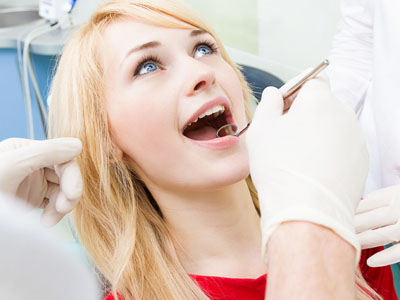
At the office of Mountainview Dental, we take oral exams seriously because they are the fastest way to catch small problems before they become bigger ones. A thoughtfully performed exam looks beyond cavities to evaluate gum health, jaw function, oral soft tissues, and lifestyle factors that influence long-term outcomes. Our goal is to combine careful clinical observation with modern diagnostics so each patient leaves with a clear sense of their oral health and a practical plan for maintaining it.
An oral exam is more than a quick look inside your mouth. It establishes a baseline that lets clinicians track changes over time, spot emerging issues early, and tailor preventive care to your unique needs. During a comprehensive check, we review your medical history, current medications, and any symptoms you might be experiencing—information that can directly affect dental decisions and treatment priorities.
Clinicians inspect teeth for signs of decay, wear, and previous dental work; evaluate the gums and supporting bone for inflammation or recession; and check the soft tissues of the lips, cheeks, tongue, and throat for irregularities. We also assess jaw alignment and how the teeth come together, since bite problems and habits like grinding can cause pain, wear, and future complications.
Combining a visual exam with focused questions and patient history makes it possible to create a prevention-first plan. That plan may include targeted hygiene coaching, scheduling routine cleanings, or recommending diagnostic imaging when a deeper look is needed. The result is care that is deliberate, personalized, and aimed at preserving both function and appearance.
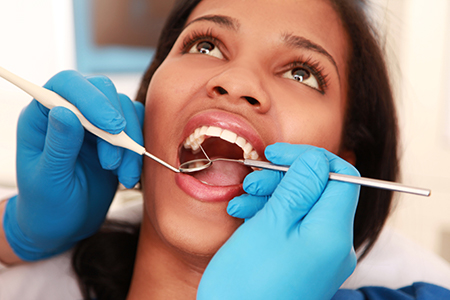
Your initial appointment sets the stage for ongoing care. We begin with a careful review of your medical and dental histories and a conversation about any concerns, from sensitivity to jaw pain. Understanding your general health and lifestyle helps clinicians interpret findings more accurately and choose the safest, most effective diagnostic tools.
The clinical portion of the visit involves systematically examining the mouth, head, and neck. We check each tooth, evaluate gum tissue and bone support, and screen the oral soft tissues for any unusual spots or lesions. If we observe signs that warrant it, we will perform an oral cancer screening and a focused evaluation of your bite and temporomandibular joint (TMJ).
If indicated, diagnostic imaging will be recommended to reveal structures that can’t be seen by eye alone. After the exam, the dentist or hygienist will review findings with you, explain any recommended next steps, and answer questions so you feel informed about your options and the rationale behind them.
The mouth is a window to the rest of the body. In many cases, oral changes can reflect or even contribute to wider health concerns. For example, persistent gum inflammation can influence systemic inflammation, while dry mouth and oral lesions sometimes indicate underlying medical conditions or side effects of medications.
During an exam, we watch for signs that could suggest the need for further medical evaluation—such as unusual ulcers, persistent swelling, or unexplained bleeding. When appropriate, we coordinate care with your physician so oral health and general health are treated in concert rather than in isolation.
Open communication is important: telling your dental team about medical diagnoses, recent hospitalizations, or new medications helps us tailor safe, effective dental care. We take these connections seriously and use the oral exam as an opportunity to support whole-person health through early detection and timely referrals.
Maintaining regular exams helps both to prevent local dental disease and to keep track of any changes that might signal broader health issues. Consistent monitoring gives providers the best chance to identify problems early when they are easier to treat.

Professional cleanings are a practical complement to daily brushing and flossing. Even with excellent home care, plaque and tartar can accumulate in hard-to-reach areas; a hygienist uses specialized instruments to remove this buildup and polish the teeth, reducing the bacterial load that leads to cavities and gum disease.
Beyond removal of deposits, a cleaning visit offers a chance for individualized oral hygiene instruction. We demonstrate techniques and recommend tools—like specific brushes or interdental cleaners—that address the areas you find most challenging. Small adjustments to technique often produce significant improvements in gum health and tooth longevity.
Routine cleanings also allow us to monitor periodontal health and intervene early if pockets, bleeding, or attachment loss develop. Early action often prevents the need for more extensive treatments later and supports a healthier mouth for life.
For parents, routine checkups establish good habits for children and allow us to track growth and development. Early detection of alignment issues or delayed eruption patterns ensures timely guidance and, if needed, referral to orthodontic care at the appropriate stage.
Radiographs provide essential information that visual inspection alone cannot. X-rays reveal cavities between teeth, the status of bone around roots, and the development or position of unerupted or impacted teeth. When recommended, three-dimensional imaging can offer even greater detail for complex diagnostics and precise treatment planning.
Modern digital radiography minimizes radiation exposure while producing clear, immediate images that integrate directly into your chart. These digital files can be reviewed side-by-side with clinical findings to build a full picture of oral health and to explain recommended care in plain language.
The types of images used depend on clinical need:
Periapical radiographs — show a single tooth from crown to root tip and the surrounding bone.
Bitewing radiographs — focus on the crowns of posterior teeth and are excellent for detecting interproximal decay.
Full-mouth series — combines multiple periapical and bitewing images to provide a comprehensive view of all teeth.
Panoramic films — offer a broad two-dimensional overview of the jaws, teeth, and surrounding anatomy, useful for growth assessment and surgical planning.
Cone-beam CT (CBCT) — delivers three-dimensional images when detailed anatomy is required for diagnosis or precise procedures such as implant placement.
Using the right imaging modality at the right time helps us make decisions with confidence while keeping patient safety and comfort as priorities. We recommend only the images that will directly inform diagnosis or treatment.
Regular, comprehensive oral exams are the foundation of lasting dental health. The practice pairs experienced clinicians with modern diagnostic tools to detect conditions early, guide effective preventive routines, and coordinate care when broader health concerns arise. If you’d like to learn more about what an oral exam entails or how often you should be seen, please contact us for more information.
Yes. We always welcome new patients and their families for care. Feel free to give us a call or reach out to us online to schedule a first visit or for any additional information on our office. We look forward to hearing from you!
Routine dental checkups and professional cleanings help ensure your smile remains in tip-top condition and that any developing problems receive the prompt care they require. While it's a good idea to schedule a checkup and cleaning twice a year, longer or shorter intervals between routine visits depend on your specific needs.
We understand that life gets complicated and busy, and for various reasons, you haven't been able to get to the dentist for care. Don't worry; it's always a good time to get back in touch with the health of your smile.
At Mountainview Dental, we offer skilled and compassionate care to address a wide range of dental needs. Whether you need a simple checkup and cleaning, restorations, periodontal treatment, root canal therapy, or the replacement of missing teeth to get your smile back into shape, we provide precise, gentle, stress-free treatment to give you a smile that is as beautiful as it is healthy.
Give us a call today; we're happy to address all your questions and concerns about getting your smile back in tip-top condition.
For pregnant women, practicing good oral care and seeing the dentist to maintain a healthy smile is considered an important component of prenatal care. Researchers have found that pregnancy not only increases the risk of oral health problems, but these problems may also lead to pregnancy complications. At the office of Mountainview Dental, we provide the skilled and compassionate care required to help expectant mothers keep their teeth and gums in tip-top condition. While certain procedures are not recommended during pregnancy, we provide the necessary care and take all the necessary precautions required.
Thanks to advances in modern dentistry, teeth that have been affected by a range of imperfections or that have sustained damage from trauma or dental decay can be restored to produce a naturally beautiful looking and functional smile.
As skilled and experienced providers of care, our office can effectively improve and enhance the appearance of teeth that are stained, discolored, misshapen, chipped, fractured, gapped, crowded, or broken down due to dental decay. At the office of Mountainview Dental, we offer a comprehensive selection of the leading-edge cosmetic solutions from teeth whitening procedures, dental bonding, tooth-colored fillings, and veneers, to prosthetic solutions and dental implants to rebuild complete and beautiful smiles.
Contact our office to learn more about the many ways we can help you create the smile you've always wanted.
If you're visiting Mountainview Dental for the first time, it is helpful that you contact your former dental office and have your records sent over to us. Make note of any problems you may have so that you can discuss them with your dentist.
To provide efficient service, we ask you to please bring your insurance card, an ID, plus any referral slips or diagnostic records given to you by another office. If you are taking medications, please note or make a list of what they are as you will need to provide that information.
Yes! We assure you that both you and your family will be in good hands at the office of Mountainview Dental.
We do our best to make sure every patient who steps into our office for care is put at ease. We provide precise and gentle care and our skilled, compassionate team strives to make every visit stress-free. You can rest assured that your smile is in the best of hands and that we are doing all we can to ensure your comfort throughout every procedure. While we always take the time to explain every step in care, feel free to ask us any questions about local anesthesia and methods of dental sedation.
At the office of Mountainview Dental, we strive to provide the highest quality of care to address all your dental needs. Once we've had the opportunity to examine your smile, we can give you a clear picture of any dental issues that are present, along with a quote for what the cost of treatment will be. The cost of care all depends upon the extent and complexity of issues affecting the health or appearance of your smile and the types of procedures that are required. Our goal is to make dental care more affordable so that you can begin treatment without any additional stress or delay.
Keep in mind that with routine dental checkups and periodic care, we can help prevent dental disease while treating emerging problems early in their onset to avoid larger issues and more expensive care down the road.
Routine dental checkups and preventive care procedures may be covered under your dental insurance plan requiring little to no out-of-pocket expense. We invite you to check our financial information page or give us a call to find out if our office participates with your plan, and if you have any other questions about dental insurance, dental savings plans, forms of payment, or financing options. We welcome your inquiries and do our best to help you begin care without additional stress or delay.
If you've lost a tooth due to injury, decay, gum disease, or any other reason, we recommend dental implants to replace missing teeth. Dental implants come the closest to replicating the look, feel, and function of your natural teeth.
Absolutely! Both flossing and brushing regularly are equally important to maintain your oral health. While brushing cleans the surface of your teeth, flossing cleans in between them. Flossing is important to prevent plaque buildup, which can cause gums to recede and lead to periodontal disease.
Even if you have dentures, it is still necessary to see a dentist! Dental checkups help ensure that your dentures are comfortable, fitting properly, and that there are no other problems. Beyond assessing your dentures, our dentist will also perform a thorough examination of the jawbone, and surrounding soft tissues both inside the mouth, the face, and neck, to confirm that you remain in good oral health.
Emergency dental care is a service we hope you'll never need- but if you do, the office of Mountainview Dental is here for you!
Whether you're suffering from a chipped tooth, toothache, or any problem affecting your oral health, you can be sure to get the prompt attention and compassionate care you require at our office. Patient care and comfort are our top priorities, and we offer a comprehensive range of the most advanced services to address a broad spectrum of dental needs.
While the pain of a toothache is one of the more common reasons that patients come to our office for emergency dental care, we also promptly treat emergencies that are not necessarily painful like crowns that have been dislodged and broken dentures that leave embarrassing gaps in one's smile.
You can rest assured that your oral health is in the best of hands at our office. We'll quickly determine exactly what's wrong, explain your treatment options, and then provide the precise and gentle care you require to alleviate your discomfort and get you back on the path to oral health and wellness.
Your health and comfort are our top priorities. If your dental emergency is painful, if it affects the appearance of your smile, or if you suspect that an infection is present, our office will make every effort to see you as soon as possible for care.
At the office of Mountainview Dental, we welcome patients of all ages for care and offer a comprehensive range of services designed to help every member of your family maintain a beautiful and healthy smile. Whether you or a loved one needs a routine checkup and cleaning, fillings, same-day crowns, a cosmetic smile makeover, the replacement of missing teeth or require the services of a skilled and compassionate emergency dentist, you can rely on our office for the highest quality care.
For more information on our office and the many services we provide, or to schedule an appointment for care, give us a call today.
At the office of Mountainview Dental, your comprehensive oral exam begins with a review of your medical and dental history and a discussion of any current symptoms. Clinicians then perform a systematic visual and tactile inspection of the teeth, gums, soft tissues, and surrounding head and neck structures. We also assess bite, jaw movement, and signs of functional problems such as grinding or clenching.
When indicated, the exam includes targeted diagnostic tools such as digital radiographs or three-dimensional imaging to reveal issues beneath the surface. An oral cancer screening and focused soft-tissue evaluation are performed as part of routine surveillance. The dentist or hygienist reviews findings with you and outlines a prevention-focused plan tailored to your needs.
Most people benefit from a comprehensive oral exam every six months, which pairs a hygiene visit with a focused clinical assessment. That interval supports early detection of decay, gum disease, and changes in soft tissues. However, care frequency should be individualized based on risk factors and overall health.
Patients with a history of periodontal disease, frequent cavities, systemic conditions such as diabetes, or active orthodontic treatment may need more frequent monitoring. Children, older adults, and people taking multiple medications also sometimes require tailored schedules. Your dental team will recommend an exam cadence that balances prevention with convenience.
Oral cancer screening is an essential part of a routine exam because early detection greatly improves treatment outcomes. Clinicians visually examine and palpate the lips, tongue, floor of mouth, cheeks, and throat for ulcers, lumps, or persistent red or white patches. Any suspicious finding is documented and, if warranted, followed by a referral or biopsy for definitive diagnosis.
The exam also includes a review of known risk factors such as tobacco use, alcohol consumption, and human papillomavirus exposure to guide vigilance. Documentation of baseline findings helps clinicians spot subtle changes at subsequent visits. Patients are encouraged to report persistent symptoms between appointments so problems can be evaluated promptly.
The oral cavity often reflects broader health issues because many systemic conditions have oral manifestations. For example, uncontrolled diabetes can worsen gum disease, and certain nutritional deficiencies may present as mucosal changes or ulcers. Medications that cause dry mouth can increase decay risk and are routinely considered during assessment.
When exam findings suggest a possible medical link—such as unexplained ulcers or severe inflammation—clinicians may recommend communication or coordination with your physician. Sharing accurate medical history and medication lists helps dental teams provide safe, effective care. This collaborative approach supports whole-person health and can speed diagnosis of underlying conditions.
Dental x-rays complement the visual exam by showing areas that cannot be seen directly, such as between teeth and the bone around roots. Digital radiography provides fast, detailed images with minimal radiation exposure and integrates directly into the patient record. These images are used selectively when they will affect diagnosis or treatment planning.
Common modalities include bitewing films for interproximal decay, periapicals for single-tooth assessment, panoramic films for a broad overview, and cone-beam CT for three-dimensional detail when needed. Your clinician will explain why a particular image is recommended and how it informs care. Images are reviewed alongside clinical findings so you understand the rationale for any follow-up.
Clinicians assess gum and bone health through a combination of visual inspection, periodontal probing, and radiographic evaluation. Probing measures pocket depths and detects bleeding or attachment loss, while visual checks reveal swelling, recession, or pus. Tooth mobility and response to applied pressure are also noted as indicators of support loss.
Radiographs help quantify bone levels and detect patterns of periodontal breakdown that are not visible clinically. Based on these findings, the team will recommend preventive strategies, non-surgical therapies, or referral to a periodontist when appropriate. Regular monitoring ensures that interventions are effective and that progression is identified early.
Before your oral exam, share an up-to-date medical history, including recent hospitalizations, surgeries, or new diagnoses. List all medications, over-the-counter products, and supplements you take, and note any known allergies or adverse reactions. Mention symptoms such as pain, bleeding, dry mouth, or changes in taste, even if they seem minor.
Tell the dental team about lifestyle factors that affect oral health, including tobacco or vaping use, alcohol consumption, diet, and sleep or stress-related habits like clenching. Accurate information allows clinicians to choose safe diagnostic tools and to prioritize interventions. Open communication also helps the team provide personalized hygiene coaching and practical self-care strategies.
An oral exam evaluates bite and jaw function by observing how teeth come together, looking for uneven wear, and testing jaw range of motion. Clinicians palpate muscles and joints for tenderness or clicking and may ask you to perform functional movements to reproduce symptoms. Identifying parafunctional habits such as bruxism helps explain patterns of wear and discomfort.
When bite or TMJ issues are identified, the team may recommend conservative measures like occlusal splints, stress-management techniques, or targeted physical therapy. In cases that require correction, careful diagnostic records and collaboration with specialists guide restorative or orthodontic solutions. Treatment focuses on reducing pain, preserving tooth structure, and restoring comfortable function.
After your oral exam, the dentist or hygienist will review findings with you and outline any recommended next steps in plain language. At Mountainview Dental this usually includes a prevention-first plan that may combine hygiene coaching, scheduling routine cleanings, or targeted diagnostics when necessary. You will receive clear instructions on home care and signs to watch for between visits.
Follow-up may include more frequent monitoring for areas of concern, referral to a specialist, or staging of conservative treatments to preserve function and appearance. The team will also set an appropriate recall interval and send reminders to support consistent maintenance. Ongoing exams make it easier to manage small issues before they require extensive treatment.
Oral exams for children emphasize growth and development, eruption patterns, and habit counseling alongside routine decay prevention. Clinicians watch jaw and tooth alignment, evaluate for early signs of crowding, and recommend fluoride or sealants when appropriate. Behavioral strategies and a friendly environment help make exams positive and set the stage for lifelong oral health.
Adult exams place additional emphasis on periodontal health, restoration integrity, and screening for conditions more common with age or systemic disease. Imaging choices and treatment priorities are adapted to each stage of life, with prevention remaining the central focus. Both child and adult exams aim to detect problems early and to educate patients about effective daily care.