When to Seek Emergency Dental Care: Clear Signals to Act
Dental emergencies can range from an ache that won’t quit to sudden trauma that leaves a tooth fractured or displaced. It’s important to distinguish urgent issues that require same-day attention from problems that can wait for a scheduled visit. Severe pain, uncontrolled bleeding, swelling that affects breathing or swallowing, a knocked-out tooth, or signs of spreading infection are all reasons to seek prompt professional care. Recognizing these signals early helps preserve oral health and prevent complications.
Not every uncomfortable toothache is a true emergency, but persistent, worsening, or activity-limiting pain should never be ignored. If pain wakes you from sleep, radiates into your jaw or ear, or is accompanied by fever, these are indications that an underlying infection or nerve involvement may be present. For injuries, such as a broken tooth or lacerated soft tissue, quick assessment can mean the difference between saving a natural tooth and needing extraction.
For families in Georgetown and the surrounding area, the office of Mountainview Dental is prepared to evaluate urgent oral health problems and help decide whether immediate treatment is appropriate. Our goal is to give patients clear guidance about the severity of their condition and the best next steps to protect function and comfort.
Practical First Steps: What to Do Before You Arrive
How you manage a dental emergency in the first minutes and hours can ease pain and improve treatment outcomes. For a knocked-out permanent tooth, handle it by the crown (not the root), gently rinse dirt off but do not scrub, and try to reinsert it if possible; otherwise, keep it moist in milk or saliva and seek care right away. For a fractured tooth, save any fragments and rinse the mouth with warm saline to reduce contamination.
When bleeding is present, apply gentle pressure with clean gauze or a tea bag and hold steady for 10–15 minutes. Cold compresses applied to the cheek can reduce swelling and slow bleeding after trauma. Over-the-counter pain relievers, taken according to the label and your medical history, can provide temporary relief; avoid placing topical medications directly on soft tissue unless instructed by a professional.
If you suspect an infection—characterized by swelling, spreading redness, or fever—do not delay. Infections in the mouth can spread rapidly and may affect overall health. Safely preserving tissue and seeking diagnostic care quickly will allow your dental team to begin targeted treatment and, if necessary, coordinate with medical providers for additional support.
How We Evaluate and Prioritize Urgent Conditions
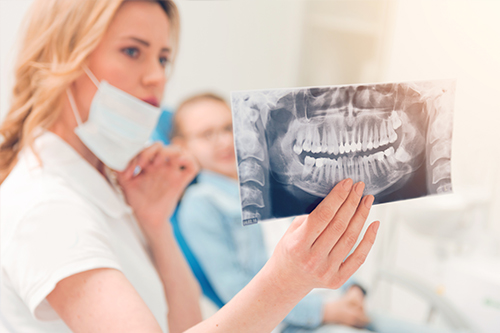
When you arrive for emergency treatment, the initial focus is rapid assessment to determine the cause and immediate risk. This typically begins with a focused history—what happened, when symptoms began, and what easing or worsening factors exist—followed by a clinical exam. Digital imaging is often used to reveal fractures, abscesses, or hidden pathology; these tools let the clinician make an informed plan without delay.
Based on findings, cases are prioritized by severity: issues threatening airway, systemic health, or the viability of a tooth receive immediate attention. Less critical problems are scheduled promptly but may allow for short-term pain management measures while definitive care is arranged. Throughout the evaluation, the team explains options in plain language so patients understand the rationale for recommended steps and expected outcomes.
The practice emphasizes gentle, evidence-based care delivered with an eye toward preserving natural teeth whenever clinically appropriate. Whether the treatment will be a same-day repair or a staged plan that includes follow-up procedures, each patient receives a tailored approach designed to restore comfort and function efficiently and safely.
Common Emergency Treatments and What to Expect
Treatment varies with the nature and extent of the problem. For a simple cavity-related toothache, repair with a filling or a bonded restoration can remove the source of pain and restore chewing function. For significant fractures or teeth with extensive decay, a crown may be recommended to rebuild strength and protect the remaining tooth structure. If infection has reached the tooth’s nerve, root canal therapy is an effective option to eliminate infection and retain the natural tooth in most cases.
In some situations, extraction is the most appropriate clinical choice—either because a tooth cannot be predictably saved or because it poses a risk to adjacent structures. When a tooth is removed, the team will discuss replacement options and an appropriate timeline for restoring the area. For displaced teeth or damaged restorations, temporary stabilization and careful monitoring may be followed by definitive repair once acute inflammation subsides.
Soft-tissue injuries such as lacerations or knocked-out fillings are treated to control bleeding, prevent infection, and restore comfort. For advanced infections, incision and drainage or targeted antibiotic therapy may be necessary alongside definitive dental treatment. Throughout every procedure, infection control and patient comfort are priorities; local anesthesia and, when appropriate, calming measures help keep treatment as comfortable as possible.
Recovery, Follow-up Care, and Reducing Future Risk
After emergency treatment, clear post-care instructions are provided to support healing. This includes guidance on oral hygiene, diet modifications, signs that warrant re-evaluation, and timing for follow-up visits. Even when immediate symptoms resolve, follow-up appointments are important to confirm successful healing, to complete restorative work if needed, and to monitor for any late complications that might arise.
Preventing future emergencies combines good daily habits with regular dental care. Routine checkups and cleanings help catch small problems early, repair old restorations before they fail, and address wisdom teeth or bite issues that may predispose someone to injury. Education about safe habits—such as wearing mouthguards during contact sports or avoiding hard, non-food items—also reduces the likelihood of traumatic dental events.
When urgent care is required, quick access to experienced clinicians and thoughtful follow-up significantly improves outcomes. Our team focuses on restoring comfort and function, then working with patients to build a long-term plan that minimizes recurrence and supports lasting oral health.
Summary and Next Steps
Dental emergencies are stressful, but timely, well-coordinated care makes a substantial difference in outcomes. From immediate first-aid measures to diagnostic assessment, focused treatment, and thoughtful follow-up, a systematic approach helps preserve teeth and reduce complications. Recognizing the signs of a true emergency and seeking professional evaluation promptly are the best steps patients can take to protect their health.
If you have questions about an urgent dental issue or need guidance on what to do next, our team in Georgetown, Ontario is available to help. Mountainview Dental provides experienced emergency care aimed at relieving pain, addressing infection, and restoring function. Please contact us for more information or to arrange an evaluation.