Call or Text us at:
(905) 877-7171


Ceramic crowns are full-coverage restorations designed to restore a tooth’s shape, strength, and appearance when more conservative repairs aren’t enough. Made from advanced dental ceramics, these crowns are engineered to mimic the light-reflecting properties of natural enamel while providing a durable surface for chewing. Unlike restorations that rely on metal frameworks, all-ceramic crowns are metal-free, which can improve aesthetics and reduce the chance of visible margins at the gumline.
For many patients, a ceramic crown is less about cosmetics and more about reliable function. When a tooth has lost substantial structure because of decay, fracture, or repeated repair, a crown redistributes biting forces around the remaining tooth and protects what’s left from further damage. Modern ceramics combine strength with a thin profile, allowing the tooth to be preserved whenever possible while still achieving a lifelike appearance.
Every restoration begins with an evaluation of the tooth, adjacent teeth, and the way your bite comes together. Diagnostic tools — clinical examination, digital radiographs, and sometimes 3D imaging — help shape a clear, predictable plan. At the office of Mountainview Dental, we aim to match the material and design of the crown to each patient’s functional needs and aesthetic goals so the result looks natural and performs well over time.
Crowns are recommended when a tooth no longer responds well to standard fillings or when too much structure has been lost to reliably support a filling. They are a long-standing restorative option used to rebuild teeth that are compromised by decay, deep cracks, or repeated restorations. A crown fully encases the visible portion of the tooth, which provides a level of protection and stability that smaller repairs can’t offer.
There are several common situations where a crown becomes the preferred treatment. Teeth that have undergone root canal therapy often require full coverage because the treated tooth can become brittle and is more prone to fracture. Similarly, teeth that serve as abutments for bridges or that support implant restorations typically need the extra strength and precise contouring a crown provides.
A crown can also address aesthetic concerns while restoring function. When a tooth is discolored, misshapen, or significantly worn by grinding, a ceramic crown can return the tooth to a more natural form—and do so without the dark lines that sometimes appear with metal-based restorations. Your dentist will explain the pros and cons of a crown compared with other treatments and help you choose the option that best preserves long-term oral health.
To rebuild a tooth with extensive decay or structural damage
To replace a large or broken dental filling
To restore a dental implant with a tooth-shaped cap
To cover the abutment teeth that support a traditional dental bridge
To protect and reinforce a tooth after root canal therapy
To improve the appearance of an undersized, stained, or misshapen tooth
To correct bite-related wear or alignment concerns that affect a single tooth

All-ceramic crowns combine cosmetic appeal with biocompatibility. Because they are entirely metal-free, these crowns avoid the graying or dark lines sometimes seen at the gumline with metal-based restorations. The modern ceramic materials we use are designed to reflect and transmit light similarly to natural enamel, producing a more seamless match with surrounding teeth.
Beyond looks, contemporary ceramics are engineered for strength and precision. Newer formulations such as lithium disilicate and high-translucency zirconia provide robust performance even in areas of the mouth that experience significant chewing forces. Ceramics are also highly resistant to staining, which helps them maintain color stability over time when cared for properly.
Soft-tissue health is another practical benefit. Ceramic crowns are gentle on neighboring gums and are less likely to cause irritation compared with restorations that incorporate metal. For patients with metal sensitivities, a fully ceramic solution eliminates that concern while delivering predictable, natural-looking outcomes.
Closely mimics the translucency and sheen of natural teeth
Requires less tooth reduction in many situations because materials can be made thin yet strong
Lighter in weight and free of metal, which can improve comfort and appearance
Kind to surrounding soft tissues and less likely to show dark margins at the gumline
Highly resistant to staining and discoloration with normal oral care
Metal-free option suitable for patients with metal sensitivities
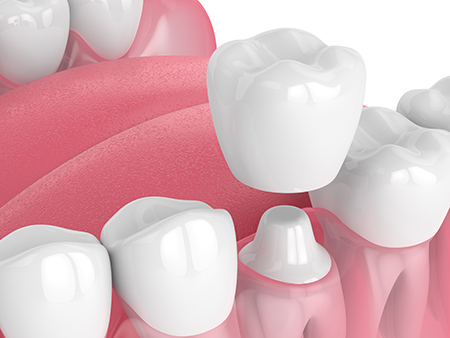
Not all ceramic crowns are identical—different materials offer trade-offs between translucency, strength, and tooth preparation requirements. The ideal choice depends on whether the crown will be placed on a front tooth where appearance is paramount or on a back tooth that endures heavy chewing forces. Your dentist will weigh these factors and recommend a material that balances longevity with a natural look.
Popular contemporary options include lithium disilicate, known for its aesthetic qualities and good strength; pressed porcelain with reinforcement for a lifelike surface; and various forms of zirconia that range from very strong to highly translucent. In many cases, a layered or hybrid approach provides the best compromise: a strong internal structure with a highly natural outer layer for optimal visuals.
Choosing a material also ties into laboratory procedures and the way a crown is fabricated. Some crowns are milled from a single block of material for excellent fit, while others are pressed or layered for enhanced appearance. Careful planning—digital impressions, shade matching, and communication with the dental lab—helps ensure the final restoration integrates seamlessly with your smile.
Lithium disilicate porcelain crowns for a strong, natural-looking finish
Leucite-reinforced pressable porcelain for subtle translucency and polishability
Monolithic (solid) zirconia for exceptional strength where heavy forces are present
High-translucency zirconia when both strength and front-tooth aesthetics are needed

Successful crown treatment blends clinical precision with an eye for aesthetics. Our approach begins with a careful assessment of tooth structure, bite dynamics, and the cosmetic demands of the area being treated. We prioritize techniques that preserve as much natural tooth as possible while creating a stable base for the final restoration.
Digital tools and modern lab workflows help us achieve consistent fit and shade matching. Digital impressions reduce distortion, while computer-aided design and milling increase accuracy. When appropriate, we also use provisional crowns to test how a new shape or shade feels before the final ceramic restoration is completed, ensuring the finished crown meets both functional and visual expectations.
At the office of Mountainview Dental, we take time to explain each step of the process and to answer questions about materials and care. Proper maintenance—regular cleanings, nightly protective devices for patients who grind, and routine checkups—extends the life of a ceramic crown and helps preserve the health of surrounding teeth and gums.
In summary, modern ceramic crowns offer a strong, biocompatible, and highly aesthetic option for restoring teeth that need more than a filling. If you’d like to learn whether a ceramic crown is the best choice for your situation, please contact us for more information.
While a dental filling is designed to replace a portion of a decayed or damaged tooth, a dental crown offers full coverage to restore the tooth’s entire outer surface. A well-fitting dental crown not only protects and strengthens the underlying tooth structure, but it also restores the tooth’s appearance and function.
The procedure for getting an all-ceramic crown is much like the procedure for getting any other type of crown. In all cases, the tooth needs to be prepared, an impression taken, and a permanent crown cemented into place. A single all-ceramic crown can typically be fabricated over the course of two visits. However, with CAD/CAM technology, a same-day crown can be fabricated from start to finish in a single visit. With the first approach, a temporary crown is typically worn until the second visit, when the permanent restoration is placed. As with every treatment plan, our office will explain your best options in care.
As the name implies, a temporary crown is only worn for a short time until the permanent crown is placed. A temporary crown is typically fabricated from durable tooth-colored dental acrylics. While designed to protect the underlying tooth between appointments, and until your new permanent crown gets placed, a temporary crown is also fabricated to look like a natural tooth and maintain the look of your smile.
While you should feel better having an attractive and functional tooth to restore your smile, your tooth may feel a little sensitive following treatment. This initial sensitivity will subside. We take great care to make sure your new restoration looks great, fits well, and your bite is perfect. However, we’re always happy to make any minor adjustments to ensure your comfort.
With some exceptions, teeth with root canal procedures are typically restored and protected from further damage with a full-coverage crown. Based on what’s best for your smile, our office will recommend the most appropriate restoration to maintain the health and longevity of your tooth following a root canal procedure.
A dental crown is a long-term restoration that, if properly cared for, can serve you well for many years to come. Once your new crown is placed, it requires the same brushing, flossing, and periodic checkups as your natural teeth. Avoid biting your fingernails and chewing on hard or sticky objects such as ice, pencils, or taffy, which can damage or loosen your crown. Remember, clenching and grinding your teeth puts excessive pressure on both natural teeth and dental restorations. Unless treated, this habit can compromise the longevity and integrity of your dental work, including crowns.
Although your new all-ceramic crown restores the tooth's strength, form, and function, you can still develop dental disease in the absence of proper care. To prevent gum disease and tooth decay, it’s essential to brush and floss as instructed and see our office for routine checkups, cleanings, and care.
How long a dental crown lasts depends on various factors, including your level of oral care, diet, and oral habits. While the standard answer is that dental crowns can last anywhere from 5 to 15 years, existing literature confirms that most dental crowns remain in place at 15 to 20 years.
At the office of Mountainview Dental, we strive to provide the highest quality of care to address all your dental needs. Once we’ve had the opportunity to examine your smile, we can give you a clear picture of any dental issues that are present, along with a quote for how much treatment will be. The cost of dental crowns can vary a little, depending on the type of crown and its location. Our goals are to provide the highest quality of care and help patients begin treatment without additional financial stress or delay. We’re always happy to answer all your questions on dental insurance coverage, available financing, and payment plans.
Coverage for all-ceramic crowns depends on your dental insurance plan. Today, many dental plans provide some level of coverage for all-ceramic crowns. At the office of Mountainview Dental, we work with patients to optimize their dental benefits and get the care they need to maintain healthy and beautiful smiles!
Ceramic crowns are full-coverage restorations made entirely from dental ceramics that restore a tooth's shape, strength, and appearance. Because they are metal-free, ceramic crowns reproduce the light-reflecting properties of natural enamel and can provide a more lifelike match with surrounding teeth. The absence of metal also reduces the chance of dark or gray lines showing at the gumline, which is especially important for front teeth.
Contemporary ceramic materials include lithium disilicate and various forms of zirconia, each offering different balances of translucency and strength. Some crowns are milled from a single block for precise fit, while others are pressed or layered to achieve specific surface characteristics. The laboratory technique and material choice influence thickness requirements, esthetic outcome, and suitability for high-stress areas of the mouth.
A ceramic crown is typically recommended when a tooth has lost substantial structure due to decay, fracture, or repeated repairs and a filling can no longer provide reliable support. Crowns fully encase the visible portion of the tooth, redistributing biting forces and protecting remaining tooth structure from further damage. Teeth that have undergone root canal therapy, teeth with large restorations, or abutment teeth for bridges commonly benefit from full coverage.
Crowns can also be chosen for aesthetic reasons when a tooth is discolored, misshapen, or worn by grinding and a conservative approach will not achieve the desired result. Your dentist will evaluate tooth integrity, occlusion (bite), and the long-term prognosis before recommending a crown. The decision balances functional needs with cosmetic goals to preserve oral health over time.
Ceramic crowns are fabricated using modern dental ceramics that offer a mix of strength and esthetics, such as lithium disilicate, leucite-reinforced porcelain, and different grades of zirconia. Some restorations are milled from a single ceramic block using CAD/CAM technology, which produces a precise, well-fitting substructure. Other crowns are pressed or layered by a dental technician to achieve superior surface detail and translucency.
The laboratory process includes shade matching, characterization, and final polishing or glazing to create a natural-looking surface that resists staining. Material selection depends on where the crown will be placed, how much tooth reduction is required, and whether translucency or ultimate strength is the priority. Communication between the dentist and the dental lab helps ensure the final crown integrates seamlessly with adjacent teeth.
The crown process usually begins with a comprehensive exam, digital radiographs, and any necessary tooth preparation to remove decay and shape the tooth for a restoration. After preparation, the dentist takes impressions or digital scans, records the tooth shade, and provides a provisional crown when needed to protect the prepared tooth. The final ceramic crown is fabricated in a dental laboratory or milled in-office and then checked for fit, contacts, and color before cementation.
At the office of Mountainview Dental, digital tools and careful planning are used to optimize fit and shade matching, and provisional restorations are employed when appropriate to evaluate function and appearance. Once the clinician confirms the crown's fit and aesthetics, the restoration is permanently cemented and minor adjustments are made to the bite. Follow-up care includes routine checkups to monitor the crown and surrounding tissues.
Material selection hinges on the balance between aesthetics and strength: front teeth typically demand higher translucency and lifelike optical properties, while back teeth often require materials that can withstand greater chewing forces. For anterior restorations, dentists may choose lithium disilicate or high-translucency ceramics that replicate enamel depth and sheen. For posterior teeth, monolithic zirconia or high-strength zirconia variants are commonly selected for their durability.
In many cases, a layered or hybrid approach is used—a robust internal ceramic for strength with a more translucent outer layer for natural appearance. The amount of remaining tooth structure, occlusal dynamics, and any parafunctional habits like grinding also influence the choice. Your dentist will explain the trade-offs and recommend the material that best meets both functional demands and aesthetic goals.
Ceramic crowns can last many years when properly planned, placed, and maintained, but their lifespan varies with several factors including the chosen material, the quality of the tooth preparation, and oral habits. Materials such as high-translucency zirconia and lithium disilicate offer strong performance, but longevity also depends on precise fit, correct occlusion, and the strength of the remaining tooth structure. Crowns that are well-seated with good margins and proper cementation generally resist complications longer.
Patient-related factors—such as oral hygiene, smoking, diet, and bruxism (teeth grinding)—play a significant role in long-term outcomes. Regular dental checkups allow the dentist to detect early signs of wear, damage, or margin breakdown and to recommend protective measures like night guards when needed. With attentive care and routine maintenance, ceramic crowns often provide predictable, long-term function.
Maintaining a ceramic crown begins with daily plaque control: brushing twice a day with a nonabrasive fluoride toothpaste and cleaning between teeth with floss or interdental brushes. Good oral hygiene helps prevent decay at the crown margins and protects the supporting tooth and gum tissues. Routine professional cleanings and examinations allow the dentist to monitor the crown's condition and the health of surrounding tissues.
Patients who clench or grind their teeth should discuss protective options with their dentist, since excessive forces can cause fractures or accelerated wear on ceramic materials. Avoiding very hard foods or habits like opening objects with teeth reduces the risk of damage. Prompt attention to sensitivity, looseness, or chipping helps address problems while they are small and more easily managed.
All-ceramic crowns are biocompatible and are often kinder to the surrounding soft tissues because they lack metal margins that can sometimes irritate or discolor the gumline. For patients with metal sensitivities or allergies, ceramic restorations offer a metal-free alternative that eliminates concerns about corrosion or allergic reactions associated with metal substructures. Properly designed margins and careful polishing also help maintain healthy gum tissue around the restoration.
Gum health around a crown depends on accurate fit, smooth margins, and ongoing periodontal care; crowns that fit well minimize bacterial accumulation and irritation. During your evaluation, the dentist will assess periodontal status and recommend any preparatory treatment needed to optimize gum health before crown placement. Good oral hygiene and regular periodontal maintenance support long-term tissue health around ceramic restorations.
Yes, ceramic crowns are commonly used to restore dental implants and to cover abutment teeth that support traditional bridges when a lifelike appearance is desired. Implant-supported crowns require precise occlusal design and secure attachment to the implant abutment, and ceramics can be adapted to those requirements while providing a natural esthetic. For bridges, crowns on the abutment teeth provide stability and continuity with adjacent teeth when properly planned and executed.
When restoring implants or creating bridges, the choice of ceramic material and fabrication method must account for load distribution and access for hygiene. The dentist will coordinate with the laboratory to ensure proper contours and contacts so that cleaning around the restoration is feasible. Careful planning and follow-up help ensure the long-term success of implant-supported and bridge restorations with ceramic crowns.
After placement, patients should expect a period of minor adjustment as they become accustomed to the new shape and bite; a well-made crown will feel natural and restore comfortable chewing function. The dentist will check contacts and occlusion and make any small adjustments to ensure the bite is balanced and there is no high spot that could cause discomfort or wear. Shade and surface finish are evaluated at seat appointment to confirm the crown blends with adjacent teeth.
If you have concerns about sensitivity, fit, or appearance after cementation, follow-up appointments allow the clinician to make refinements and to verify tissue health around the margin. Mountainview Dental schedules routine reviews to monitor restorations and to provide guidance on home care and any protective measures. Timely communication with your dental team helps address issues early and supports a successful long-term outcome.